
Are You a Hobbyist Training Like a Pro?
When I’m 75, can I still move my joints pain free? Can I play with my grandkids? Can I still hike without feeling like my heart is going to explode? Can I grapple and mountain bike?
These aren’t questions most people ask at 25 or 35—let alone consider how their current choices are answering them. But you should be, regardless of your age. Because the choices you make now—how you train, how hard you push, whether you ever think about your joints—determine whether you get to answer “yes” to some of these decades from now.
More is Better, Right?
Being active is healthy. Being more active is better, right? It isn’t that simple. There’s a difference between having a hobbyist relationship with your activity and competing. I know competition. I’ve competed at all the big and small tournaments you can participate in over the years—from Worlds to the US Open to the local Bob’s Mildewed MRSA Garage. I’ve been a hobbyist maxing out my training schedule as if I was a pro.
You might think competitors are healthy because they’re so active—that more training is inherently better than less. Let me tell you: I lost sight of my goals precisely by being more active. Which were simple: have fun, take care of my body, enjoy my sport. None of those things happened when I was in my peak competition days. It was hundreds of kettlebell swings, powerlifting, training wrestling and judo for an hour, then jumping right into jiu jitsu for another ninety minutes. Then wondering why I’d lay in bed still in zone 5, unable to sleep. Or wake up feeling like I’d been in a head-on collision. Only to go right back to practice the next day.
You can bet there was no joint and connective tissue training occurring. Even if there had been, the relationship with training that I had was not conducive to my joint health. The reality? Several surgeries were starting to be lined up. I had a hip that pinched and sent lightning bolts through my soul, crippling me to the ground more often than I care to remember. Spine and neck injuries that I continue to feel the effects of today—though much less so, thanks to how much work I’ve dedicated to those joints and connective tissues.
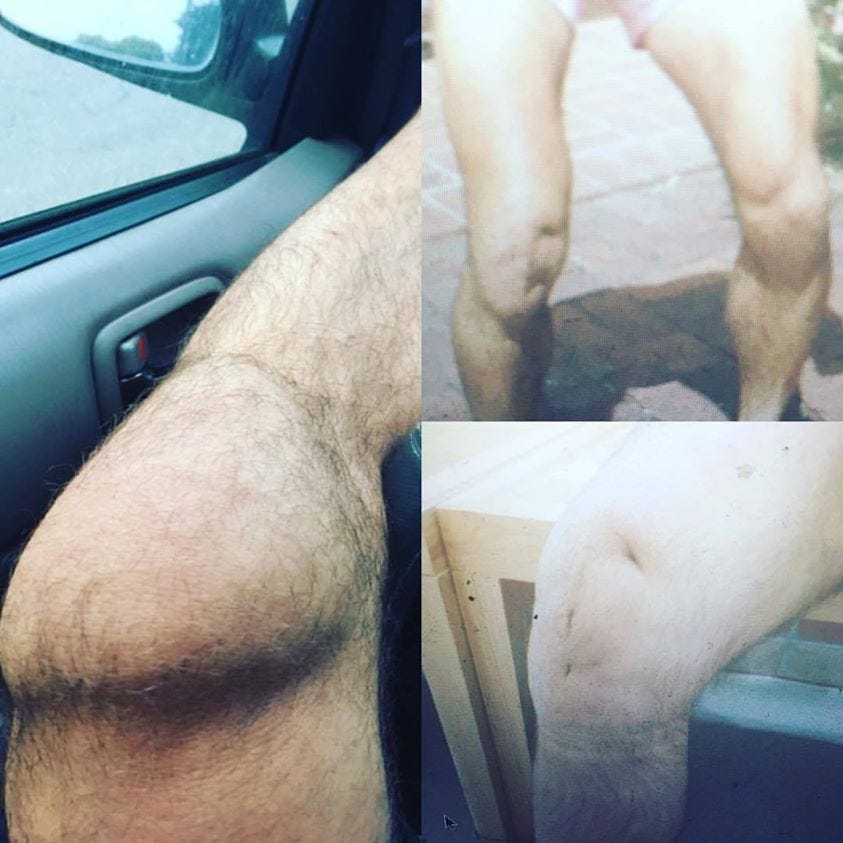
Why am I telling you all this? Because I wish someone had helped me understand what exactly I was doing to my body when I A) wasn’t having fun B) was a physical mess C) kept pushing nonetheless. And because I see this pattern constantly—athletes coming to me saying: “I played [sport] and totally overdid it. Now I can’t do anything and my body hurts all the time. I thought being more active was better.”
If you’re reading this, you know perfectly well that being more active is generally healthier for you. But if being more active includes doing so with dysfunctional joints and chronic pain, and not having any fun—the answer gets more complicated. Is running five days a week healthy? Maybe. Is running five days a week healthy when your joints are screaming in pain? Probably not.
Two Questions You Need to Ask Yourself
A) What is my relationship with my sport or activity?
B) What am I doing to specifically address my joints and connective tissues via targeted training, both short and long term?
Being a hobbyist competitor is great—by all means, do it. If you’re having fun, the cost may be worth it. That’s a personal question only you can answer. I wasn’t having fun and my body was falling apart—because I never cared about competing in the first place. I was overtraining like an idiot, chasing an identity I didn’t care about. That relationship needed to change.
We all have different relationships with our physical activities. Some of these relationships are healthier than others. If you compete, who is it for? Is it really for you? Are you having fun? I know these sound like soft questions, but they’re not. It’s easy to chase goals without ever asking if you actually want them.
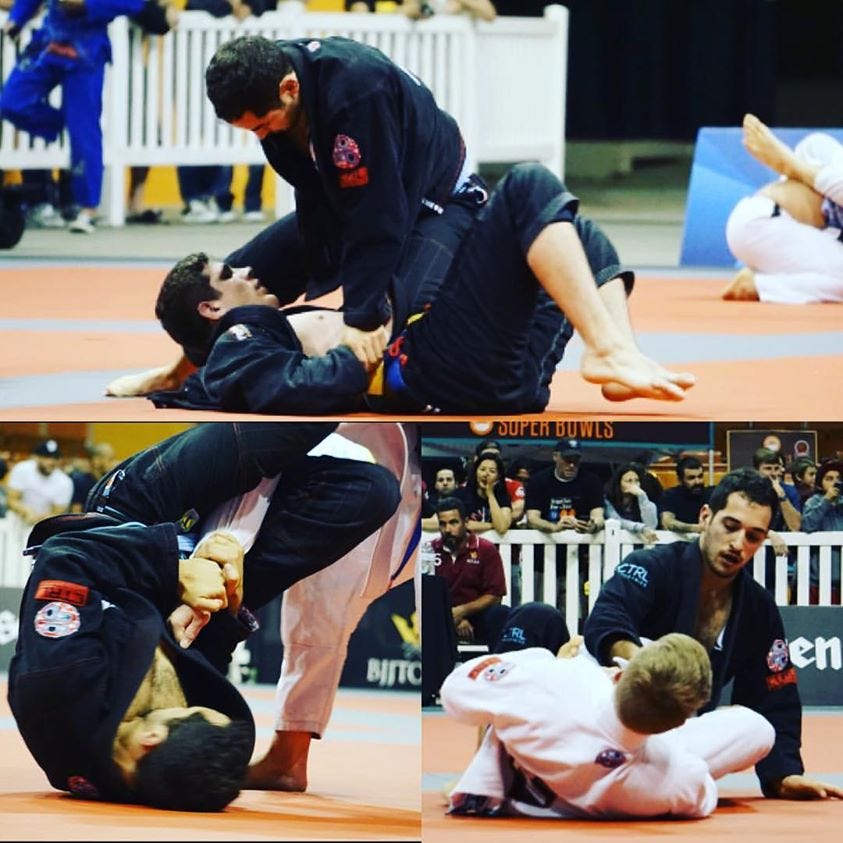
If you’re going to put the demands of competition on your body, you need to understand why. Because it all has a cost, especially if, like me, you weren’t having fun. And that sets you up for the second question: What are you actually doing about your joints?
If you’re competing, running ultras, lifting heavy—your joints are accumulating mileage. Are you training them specifically? Or are you hoping generic strength and foam rolling will cover it? Because they won’t.
Big Picture – What Are You Actually Training For?
My goals these days are much more future oriented. This is something I try to get athletes to work on. It’s not an easy goal to view each week, month, year as an opportunity to tip my system, regardless of mileage and limitations, toward more health and longevity. But it is anchored in a very important goal—I want to have more fun, not less, as I age.
You want to compete? Go have a blast. You want to run that ultra? Hit 500lbs on the deadlift? Go for it. But what’s the end goal? Another competition? Another PR? Running 50 miles instead of 30? Is it to place first? Keep getting better at your skills? Or just testing yourself?
These are things worth thinking about. The cost will reveal itself, and at some point, these questions become harder to avoid.
Joints Aren’t a Priority Until They’re a Problem
If you “feel fine” you must be fine, right? But joints don’t just feel great forever. The muscle you have now, the skills you have now—anything that requires practice—is doomed to atrophy unless you’re doing consistent work to mitigate this. The more specific the work, the better the results.
Your joints need training if you want to age with more control over how you move—less pain, less dysfunction, more freedom.
Recognize the cost, especially if you’re a hobbyist. I’m 100% for all the mental, physical, and spiritual benefits of anybody’s exercise, sport, or preferred activity. Acknowledge what you get out of it, and what healthy relationships mean to you when it comes to training.
This isn’t a judgment piece. It’s an “understand the cost” piece. So at least if you’re going to drive the car into the wall at 100 vs 10 miles an hour repeatedly for the next decade, you can’t say you were blindfolded the whole time and didn’t actually know what was going on.
Take care of your joints. Or come back to this when you’re ready.
If you found this helpful, share it with someone who needs to hear it. And if you’re ready to start taking your joint health seriously, check out my foundations class.