
A friend shared an experience of visiting a golf shop to invest in a new, high-end golf club; still new to the game, he was hoping the purchase would add 10–15 yards to his drive. The teenage salesperson took one look at my friend’s swing and suggested, “Do you know how many lessons you could buy for the price of that club?”
—Story by Mark Brunswick
The Temptation of Shortcuts
It’s very human to look for shortcuts. As a young student, Cliff’s Notes were popular—an easy way to cram for exams last minute. Come exam time, you did your best to regurgitate what you read the night before, knowing whatever you “learned” wouldn’t last. Eventually, paywalls appeared on similar websites, capitalizing on students' desperate need for neatly summarized notes hours before an exam. It was a brilliant business model catering to those behind on studying or who simply procrastinated. If you want to find a shortcut, someone is likely selling one.
Fast forward to today, and we have quasi-religions like “biohacking”, which promise to make life more “efficient” (or neurotic). It’s easier than ever in 2025 to look for shortcuts to bypass hard work. To be fair, many great products exist to support health and fitness goals, but plenty tempt us in the wrong direction—offering the allure of quick results through a simple swipe of a credit card rather than the mental and physical effort required for real progress.
Can you truly buy your way to long-term physical adaptations?
Unsurprisingly, the answer is no. One of the non-negotiable realities of the human musculoskeletal system is that it requires consistent, specific inputs to drive adaptation. You won’t meet a professional bodybuilder who doesn’t spend half their waking hours in the gym. Performance-enhancing drugs or not, they understand what they signed up for—intense physical effort sustained over time.
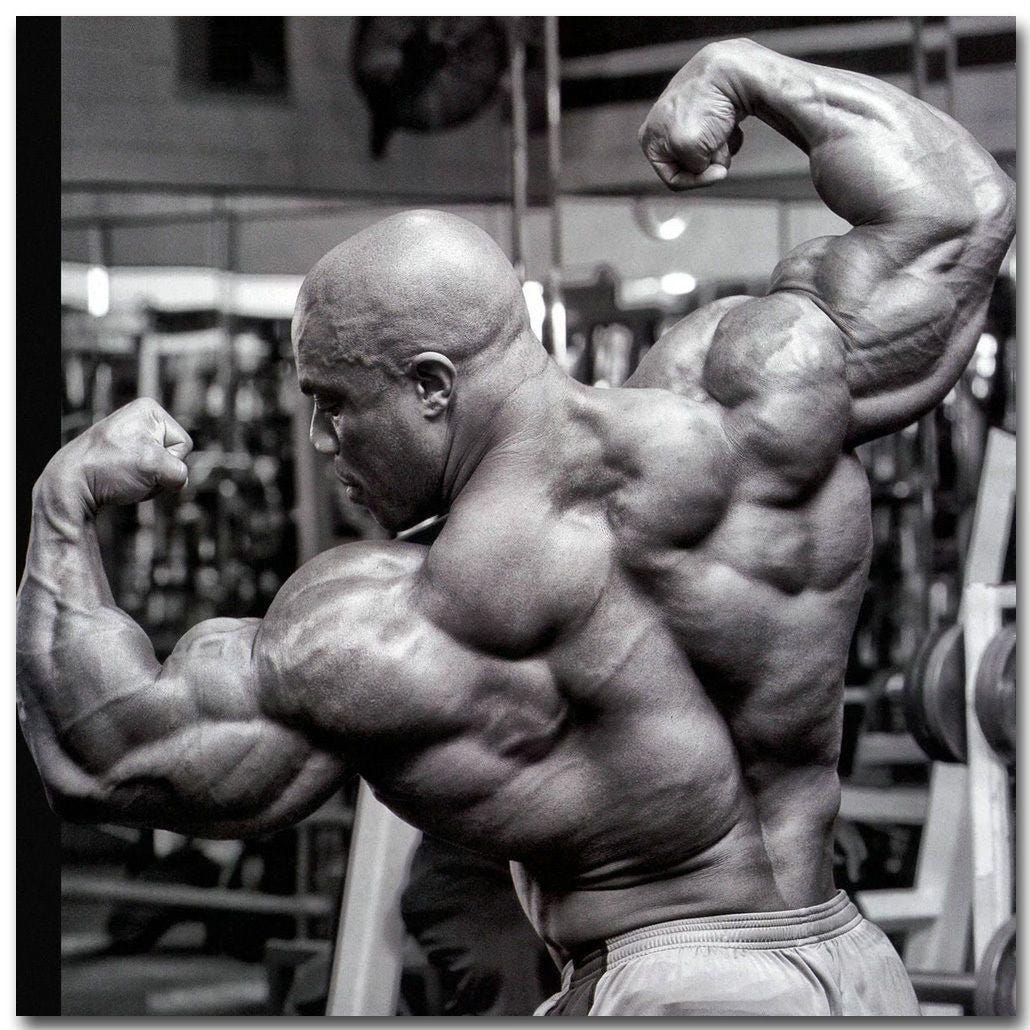
(Photo of Ronnie Coleman, x26 Time IFBB World Champion)
This doesn’t mean we can’t find better training strategies, equipment, or nutrition advice. The difference lies in learning versus “hacking.”
Consistency is boring because it’s hard, and it’s hard because it’s repetitive. What has stood the test of time to make real improvements in practicing an instrument, writing, or building muscle—is that you need a lot of practice. Some things take the time they take, and that reality clashes with today’s obsession with instant gratification. It is long-term learning that often delivers the most meaningful benefits.
The Illusion of Exercise as a Cure-All
How well do you understand physical health? Most of us oversimplify it. There’s a lot involved. For this article, we’ll consider what exercise does not address. Few would argue against the importance of exercise for maintaining many aspects of physical health. As Daniel Lieberman explains in Exercised:
“Humans evolved for physical activity, but not necessarily for ‘exercise’ in the modern sense. Early humans moved to find food, escape predators, and survive—not for recreation or health benefits.”
The every day demands of life before the agricultural revolution required high levels of physical activity. Modern life contains far less physical activity because of the many comforts we now have such as automobiles, grocery stores, and same-day delivery. It makes sense that we exercise as a way to compensate for our modern conveniences. Many of which are nowhere near the physical activity levels that were an essential part of our evolutionary history. While exercise ticks a lot of boxes, many of the assumptions we’ve told ourselves about exercise are misleading.
General Exercise is not Joint Specific
Exercise does not inherently assess, treat, or train your joint-specific prerequisites. Exercise may have general benefits for joint and connective tissues, but that isn’t the same as specific training. Plenty of science says you should exercise, and plenty of evidence also suggests that specifically training your joints will aid in your sport or lifting goals, enhance your physical capabilities at large, and promote physical longevity.
Unfortunately, for those looking for a shortcut, knowing how to do all of this correctly requires real, long-term learning. It is not as simple as adopting one new exercise, finding the “best five lifts” for strength training, or buying the latest supplement infused with exotic ingredients. It’s about shifting your approach to physical training entirely. This is done in part by adopting a system guided by evidence based methods, that directly speaks to training joints and connective tissues.

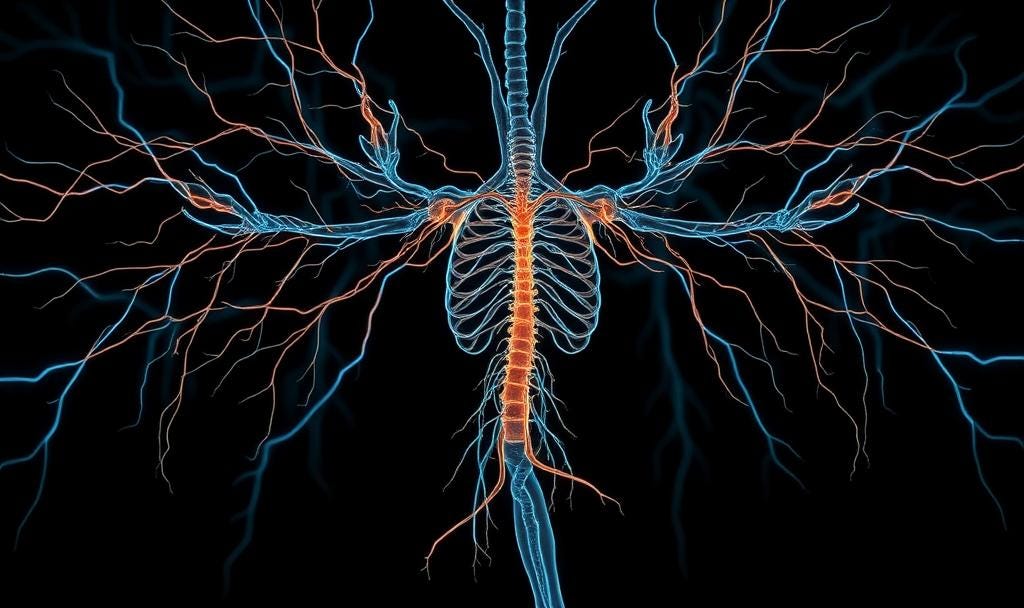
This system contains some crucial principles required for long term learning, which is tied to creating long term physical adaptations. These have been well established by neuroscientist Stanislaus Dahene (How We Learn). He reminds us that attention, active engagement, error correction, and memory consolidation are the foundation for strengthening neural circuits as you repeat learning efforts over time. This framework isn’t just confined to ‘cognitive’ or ‘mental’ learning by way of reading and studying textbooks. It’s directly applicable to all forms of learning.
The physiological strengthening of neural circuits is a natural byproduct of learning. Even if you try to separate ‘cognitive’ from ‘physical’ learning, you can’t—your neurology and biology are deeply intertwined in everything you do. If you want to strengthen neural connections to and from specific tissues to build long-term physical adaptations, you must learn how to train both your brain and body.
Consider how many people struggle with chronic injuries, performance plateaus, or confusion about fitness norms. How much are we considering the costs of popularizing shortcuts and, even unintentionally, overpromising what more exercise can specifically do for joint health? In 2025, you can’t buy better joint health. But you can learn your way there.
The Answer Isn’t Shinier Stuff
Who doesn’t want new weights, a Peloton, or a fancy home gym setup? These can be a great way to start a new fitness routine. The problem is that none of this equipment addresses how well your body actually moves during these activities. How well you move is a trainable quality, with benefits that can mitigate the costs of your preferred sports or activities. Before investing in more gear, consider learning about how to train your joint-specific capacities—otherwise known as prerequisites.
Yes, you can always just start exercising. But fitness accessories like the top trail running shoes, the elbow brace for pull-ups, the cold plunge tub, or the latest Theragun—aren’t specific enough to replace what is required to move the needle on your joint and connective tissue capacities.

(Photo of Dewey Nielsen by Scott Tribby)
Use What You Have
When I first got into cycling, I spent hours researching bikes, tire sizes, and gear ratios. Meanwhile, I already had a decent commuter bike that met my needs. I rode that bike for two years before upgrading—only after surpassing its capabilities (there is a cost for repeatedly exploring dirt and gravel trails with a road bike.)
There is a place for using what you have or sticking to the the notion of “just train” or “just squat”. While well-intentioned, without prerequisite capacities, it can lead to a negative feedback loop over time (or in my case a new bike). As Louie Simmons famously said:
“Don’t show me a $0.10 squat with a $100 pair of shoes.”
If you can’t articulate your big toe independently, that is a limitation at the prerequisite level. It has nothing to do with starting a new exercise routine or finding more fitness accessories. It has a lot to do with how little you have trained both the biological tissues and neurological mechanisms involved in your big toe. Without consistent input, these connections atrophy over time.
There are fundamental positions and transitions every joint in the body needs to achieve to be healthy. Imagine if that inability to independently articulate your big toe joint (and therefore compensate elsewhere) was your hip, knee, or ankle—how well do you think your squat will hold up over time, even in the fanciest lifting shoes?

Compensation is not a long-term strategy for better joint health. You cannot hack or shortcut your way around this reality. Joint-specific training is often overlooked in conventional strength and rehabilitation models, which may explain the increasing prevalence of joint dysfunction.
The good news? Solutions exist—you’ll just wish you started ten years ago. Learn how your joints function, why they matter, how to maintain them, and how to address your limitations. You can not compensate by buying better gear and/or continuing to borrow anatomical real estate from other joints/tissues (aka compensate) because you lack joint prerequisites. Play the long game and take the time to invest in your physical health.
If you’re interested in 1:1 training or are an FRS® provider looking for guidance, visit www.theartofstrong.com.
If you’re a fitness professional or manual therapist interested in our courses, visit www.functionalanatomyseminars.com.
References
Dahene, S. (2020). How We Learn: The New Science of Education and the Brain. Viking.
Lieberman, D. E. (2021). Exercised: Why Something We Never Evolved to Do Is Healthy and Rewarding. Pantheon.
Simmons, L. (n.d.). Westside Barbell Training Principles. Westside Barbell.