
As a strength coach, manual therapist, and instructor with Functional Range Systems®, I often find myself untangling the confusion around what mobility actually is—and what it isn’t. In the fitness industry, there’s a frustrating tendency to oversimplify anatomy and physiology, probably because we all want things to be simpler than they are. The truth isn’t needlessly complex—but solving real physical limitations requires more than catch-all advice.
Clients come to me looking for specific solutions because the general ones they’ve tried have hit a ceiling. Naturally, many assume “mobility work” is the answer—without a clear understanding of what mobility even means. This article aims to clear that up. I want to explain, in a straightforward way, what mobility is, why most people aren’t actually training it, and why it deserves more of your attention.
You’ve probably heard about the importance of mobility, often lumped in with flexibility. However, the distinction between the two is frequently unclear, as both terms are poorly defined in most discussions.
By clarifying the meanings of flexibility and mobility, I hope to dispel some of the confusion surrounding these terms and provide a more intelligible way to think about these concepts.
General Flexibility is Not Tissue-Specific
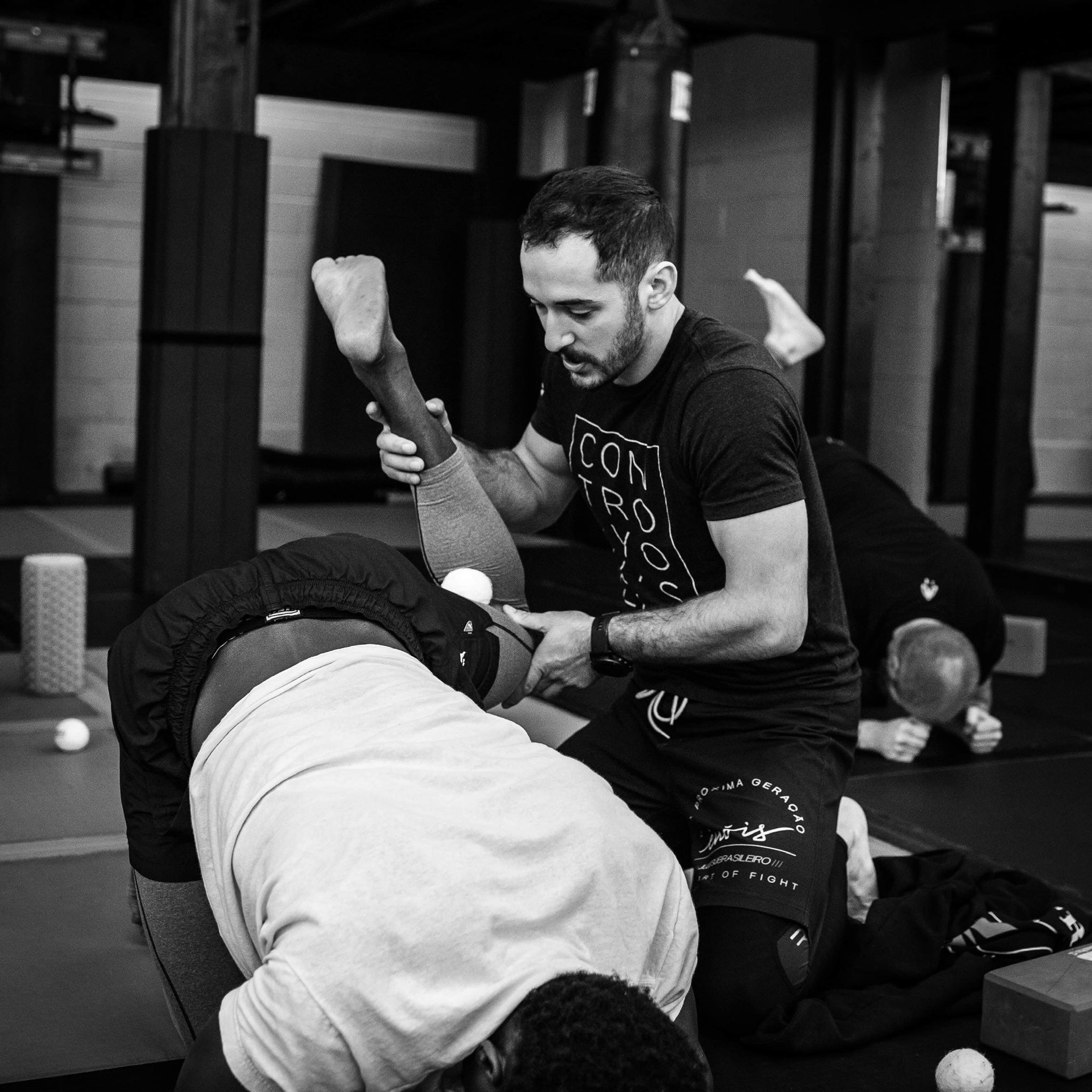
General flexibility reflects your body’s ability to "stretch"—your capacity to lengthen and mold into various positions. These positions often lack clear intent or context related to daily life or sport-specific goals. Flexibility is frequently evaluated using complex positions or movement patterns, such as those found in yoga, or simplified into arbitrary "tests" like touching your toes, doing the splits, or sitting in full lotus.
However, these displays of flexibility are not tissue-specific. Being able to achieve certain yoga positions or pass flexibility tests doesn’t reveal how you’re accomplishing them. And the how matters—a lot. This is exactly what most flexibility training tends to overlook.
Tissue-specific extensibility requires a deeper analysis, removing yoga or other general movement patterns from the equation. If specific tissues need to lengthen, how can we isolate and evaluate them—especially when this relates to foundational markers of human health and function? What length is necessary? In what tissues? For which individual? And with what goals?
Your ability to create length in specific tissues contributes to your general flexibility in broader movement patterns, whether yoga- or sport-specific. There’s a prerequisite relationship here: the presence—or absence—of specific tissue lengths (or extensibility) dictates your broader flexibility capabilities.
Tissue length is tissue-specific. Flexibility is not.
Just because you can get into full lotus doesn’t mean all the tissues involved are truly creating length. Many people cheat their way into such movements—whether static poses as found in yoga or dynamically with regard to their sport.
By breaking things down to individual tissues, you gain a clearer lens to evaluate what is and isn’t contributing to your flexibility.
Passive Range of Motion is NOT Active
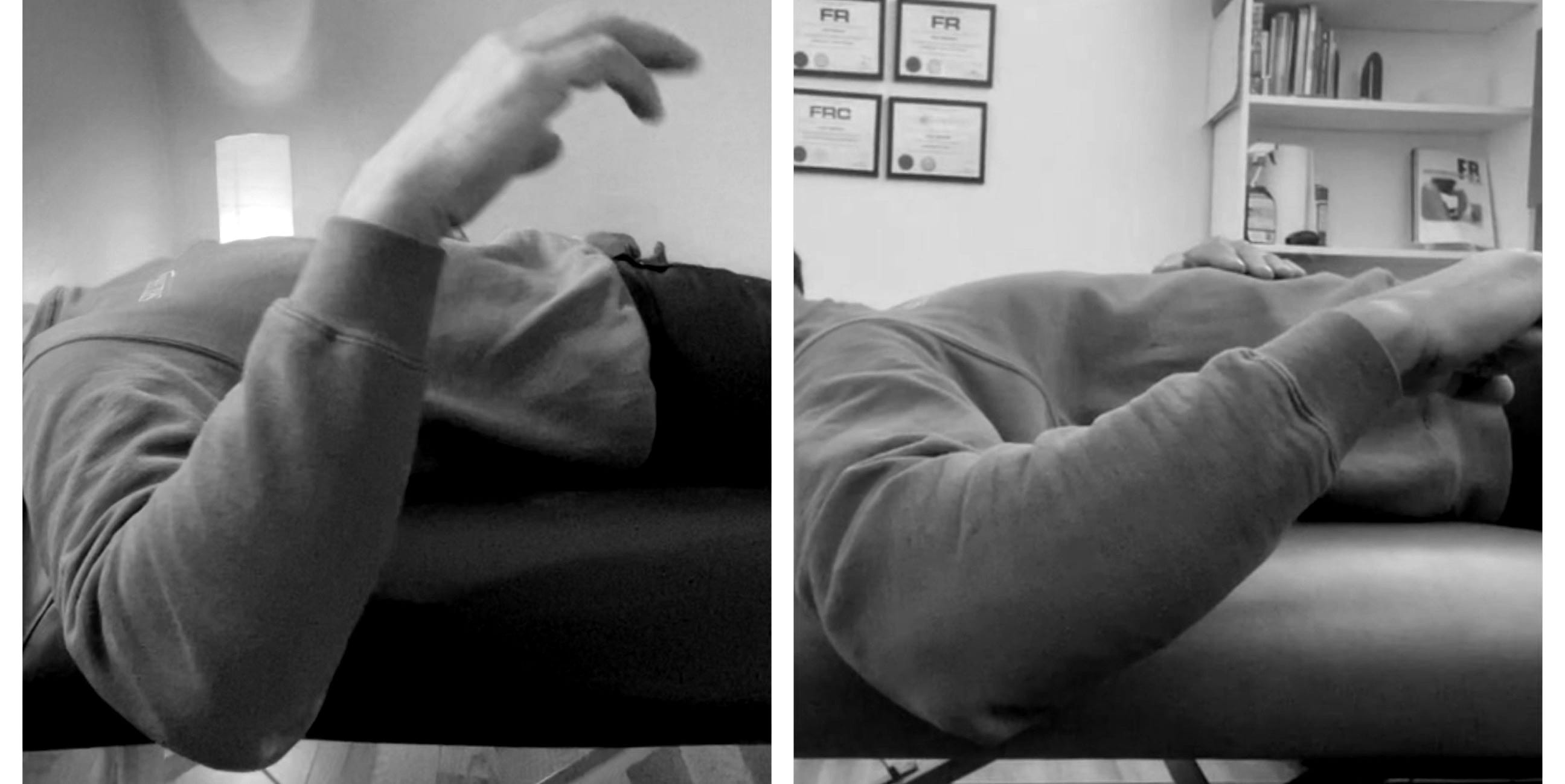
Just as you can display general movement flexibility without tissue specific extensibility — you could lack active control and strength through a range of motion. Simply put, your body can exhibit passive range of motion without active range of motion.
Think of passive range of motion as the clinical version of flexibility. It’s how far a joint can move without any muscular effort on your part. Think of how this relates to a display of movement flexibility or to specific tissues. It tells us about your joint’s movement potential—but not how well you manage force or what range you can actively control.
Active range of motion is characterized by your ability to tolerate force, control joint-specific ranges, and demonstrate tissue-specific strength.
Take the splits, for example. You may reach this position with sufficient passive range, but find yourself unable to generate any force or strength once there. Why does this matter? If you’re a martial artist, for instance, stretching your hips for hours won’t create the tissue-specific adaptations needed for high-velocity kicks.
In breaking down kicking anatomically, it becomes clear that "your hips" aren’t a single entity. Multiple, tissue specific behaviors must work in concert for a movement to reflect real hip-joint capacities above compensatory ones.
When you throw a kick, how do you know which tissues of the hip are truly participating to achieve your end range with high speed, and which ones are just hidden limitations presenting as chronic pain?
An assessment is a great place to start. And no, not the kind you get from a shirtless influencer with zero expertise. I’m talking about an FRA®—the gold standard for joint-specific assessments.
Understanding the differences between passive and active range of motion is nuanced. Many assume that gains in passive range will translate directly into active performance, but that’s a flawed assumption. Skipping steps can lead to plateaus, increased injury risk, and poor long-term outcomes.
Mobility is Often Ill-Defined, Misunderstood, and Oversimplified
Mobility encompasses many aspects of physical health—but what is it, really?
Mobility is tissue-specific training that systematically develops both passive and active ranges of motion, end-range strength, and joint-specific control. This type of training improves your movement health, performance in sports, proficiency in lifts, and capacity in daily tasks—because it is focused on how to specifically build all the behaviors you need from your body.
Mobility requires both passive and active work at the tissue-specific level.
Flexibility training falls short for two main reasons:
It is too general or movement-based, not tissue-specific.
It lacks any active, tissue-specific strength component—especially for athletes or individuals with high performance demands.
Approaches like foam rollers, Graston tools, yoga flows, 30-second pigeon stretches, Theraguns, mini bands, or therabands may feel good—but none of them are mobility. These methods lack tissue specificity. You might enjoy them, but there are more structured, scientifically supported ways to make meaningful progress.
Mobility Is Tissue-Specific Strength
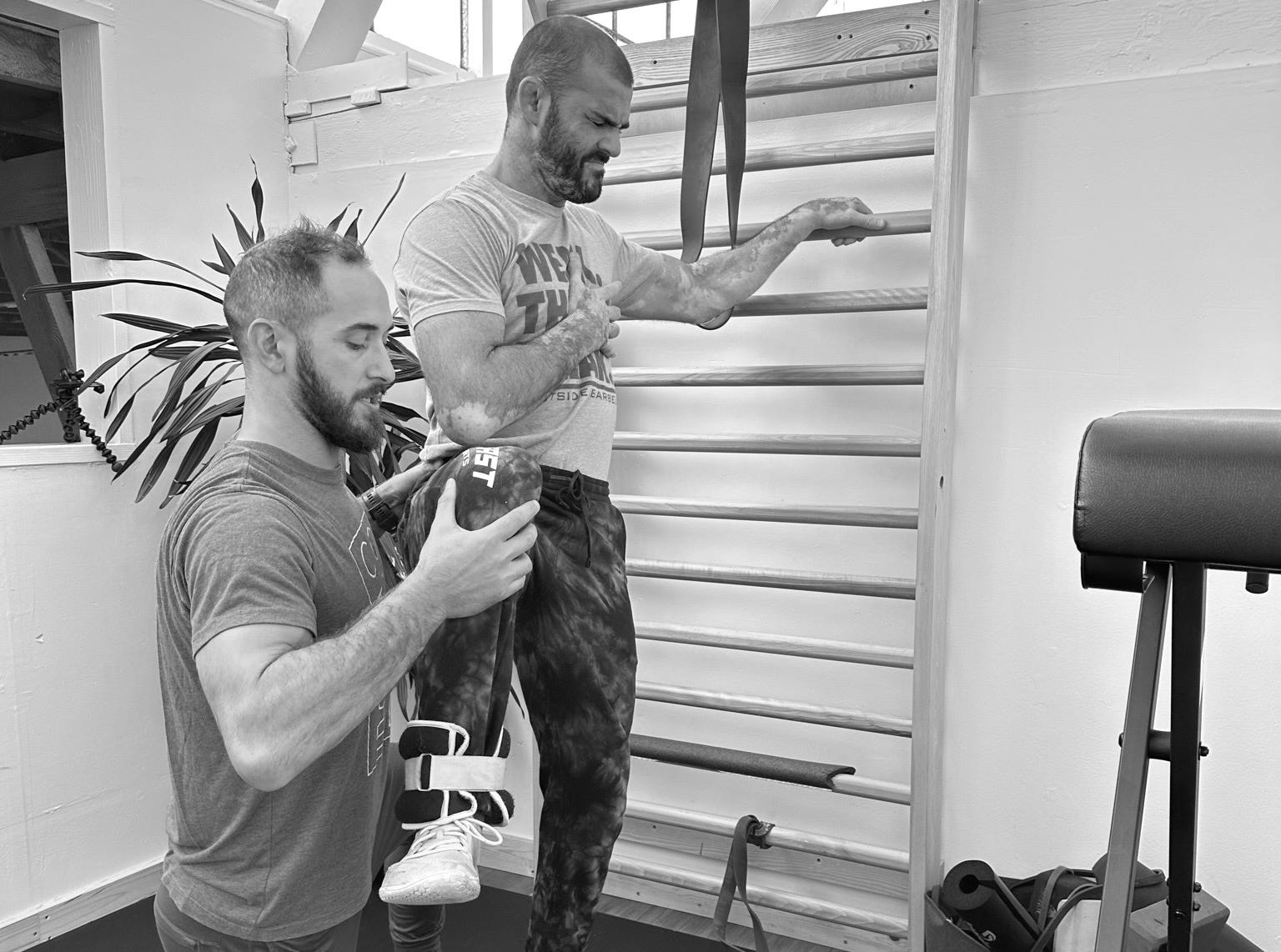
Imagine building tissue capacities exactly where you need it—based on your unique limitations and goals. Then, imagine developing strength in those same tissues. Now you're solving physical problems at a much deeper level.
Sounds great, right?
So ask yourself: Are your right and left hips equally healthy? Do you have the same range of motion on both sides? Is a hip joint really as simple as one stretch, one activation drill, or a single yoga flow?
Why do so many generalized “mobility” routines fall short?
Maybe it’s because the approach is too broad—and the training too oversimplified. If you’ve hit a plateau, this might be why. Clients often realize that what they’ve been doing doesn’t actually qualify as mobility training. These are easy conversations to have—because if you can’t clearly explain your training process in evidence-based terms, it’s unlikely you’re going to address tissue specific problems. Especially in a way tailored toward long term change.
And that’s before we even touch the effort, specificity, intent, frequency, and nuance required to truly address individual limitations.
Somewhere between introducing a client to their hip joint and them realizing what it can’t do, the lightbulb goes off.
“I didn’t realize how poorly this joint moves.”
There’s no room for guesswork here.
What I show clients isn’t magic. It’s just a clear process. I help them see their actual capabilities—and where they fall short. By showing them exactly what to train, how to train it, and why it matters, they often walk out of our first session saying:
“This is the hardest training I’ve ever done… and it’s so worth it.”
Tissues aren’t just one thing. The way you define and train flexibility and mobility across joints, connective tissues, and muscles will determine whether you make meaningful, specific adaptations—or if you’re just throwing paint at the wall hoping something sticks.
If you’re interested in 1:1 training or are an FRS® provider looking for guidance, visit www.theartofstrong.com.
If you’re a fitness professional or manual therapist interested in our courses, visit www.functionalanatomyseminars.com.
Have suggestions for what kind of content you want to see? Drop a comment and let me know.